
Korea’s National Tax Service recently shared an investigation in which it discovered several foreign companies were evading tens of billions of dollars in taxes to be reported in Korea using international transactions. A few examples of the tactics used by these companies included stealing sales through offshore companies located in tax havens, and unfairly transferring […]

The widespread adoption of electronic invoicing regimes has given tax authorities access to enormous quantities of taxpayer data. In many jurisdictions, this data enables tax authorities to summarise a taxpayer’s transactional information for a given filing period. It also enables them to present the taxpayer with a draft VAT Return, filled in ahead of time […]

Incoterms are set by the International Chamber of Commerce and outline the responsibilities of buyers and sellers while making international transactions. Understanding the relationship between VAT and Incoterms now can prevent costs and delivery delays down the road. In this episode of the Sovos Expert Series, Becca Taylor sits down with Andy Spencer, Director of […]

The Ministry of Economic Affairs and Digital Transformation in Spain has recently published a preliminary draft law for the creation and growth of companies in the country. This law aims to promote productive investment, innovation, and modernisation, with regulatory reforms to improve the business climate and promote entrepreneurship. The new project also aims to fight […]

In Insurance Premium Tax (IPT) compliance, the Aviation Hull and Aviation Liability policy is defined under Annex 1, Classes of Non-Life Insurance, as described in DIRECTIVE 138/2009/EC (SOLVENCY II DIRECTIVE). But there are variations and identifying which class the policy is covering can be a challenge. This article will cover what insurers need to know […]

Back in 2019, Portugal passed a mini e-invoicing reform consolidating the country’s framework around SAF-T reporting and certified billing software. Since then, a lot has happened: non-resident companies were brought into the scope of e-invoicing requirements, deadlines have been postponed due to Covid, and new regulations were published. This blog summarises the latest and upcoming […]

A tax authority audit can come in various forms, whether it be directly to the insurer itself or indirectly through a policyholder or broker. It can be targeted, for example, where an insurer has been specifically identified to be investigated due toa discrepancy on a tax return, or it can be indiscriminate in its nature […]

Welcome to our Q&A two-part blog series on the French e-invoicing and e-reporting mandate, which comes into effect 2023-2025. That sounds far away but businesses must start preparing now if they are to comply. The Sovos compliance team has returned to answer some of your most pressing questions asked during our webinar. We have outlined […]

In our recent webinar, Sovos covered the new French e-invoicing and e-reporting mandate, and what this means for businesses and their tax obligations. We are witnessing a global move towards Continuous Transaction Controls (CTCs), where tax authorities are demanding transactional data in real-time or near real-time, affecting e-invoicing and e-reporting obligations. As such, from 2023, […]

In the “Statement on a Two-Pillar Solution to Address the Tax Challenges Arising From the Digitalization of the Economy” issued on 1 July 2021, members of the G20 Inclusive Framework on Base Erosion and Profit Shifting (“BEPS”) have agreed upon a framework to move forward with a global tax reform deal. This will address the […]

For anyone relatively new or unfamiliar with insurance premium tax (IPT), an understanding of each of the core components is key to ensuring compliance. They also sit in a logical sequence of five distinct areas. Location of risk Class of business Applicable taxes and tax rates Declaration and payment Additional reporting 1.Location of risk rules […]

What is Intrastat? Intrastat is a reporting regime relating to the intra-community trade of goods within the EU. Under Regulation (EC) No. 638/2004, VAT taxpayers who are making intra-community sales and purchases of goods are required to complete Intrastat declarations when the reporting threshold is breached. Intrastat declarations must be completed in both the country […]

Progress has been made in the roll-out of the Polish CTC (continuous transaction control) system, Krajowy System of e-Faktur. Earlier this year, the Ministry of Finance published a draft act, which is still awaiting adoption by parliament to become law. Draft e-invoice specifications have been released and there has been a public consultation on the […]

Meet the Expert is our series of blogs where we share more about the team behind our innovative software and managed services. As a global organisation with indirect tax experts across all regions, our dedicated team are often the first to know about new regulatory changes, ensuring you stay compliant. We spoke to Wendy Gilby, […]

Moving goods from one place to another is a quintessential part of business. Manufacturers, wholesalers, transporters, retailers and consumers all need to carefully orchestrate the shipping and handling of raw materials, parts, equipment, finished goods and other products to keep business flowing. This supply chain harmony is what makes production and trade possible in society. […]
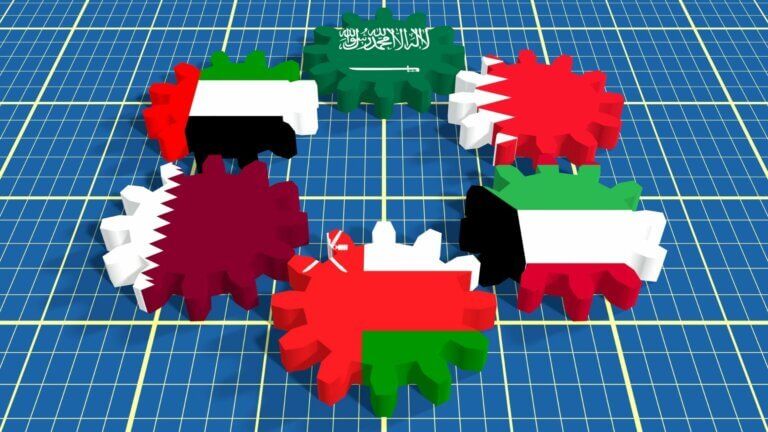
More than 170 countries throughout the world have implemented a VAT system, and some of the most recent adopters are the Gulf countries. In a bid to diversify economic resources, the Gulf countries have spent the past decade investigating other ways to finance its public services. As a result, in 2016 the GCC (Gulf Cooperation […]

A current mega-trend in VAT is continuous transaction controls (CTCs), whereby tax administrations increasingly request business transaction data in real-time, often pre-authorising data before a business can progress to the next step in the sales or purchase workflow. When a tax authority introduces CTCs, companies tend to view this as an additional set of requirements […]

The introduction of the new Portuguese Stamp Duty system has arguably been one of the most extensive changes within IPT reporting in 2021 even though the latest reporting system wasn’t accompanied by any changes to the tax rate structure. The new reporting requirements were initially scheduled to start with January 2020 returns. However this was […]